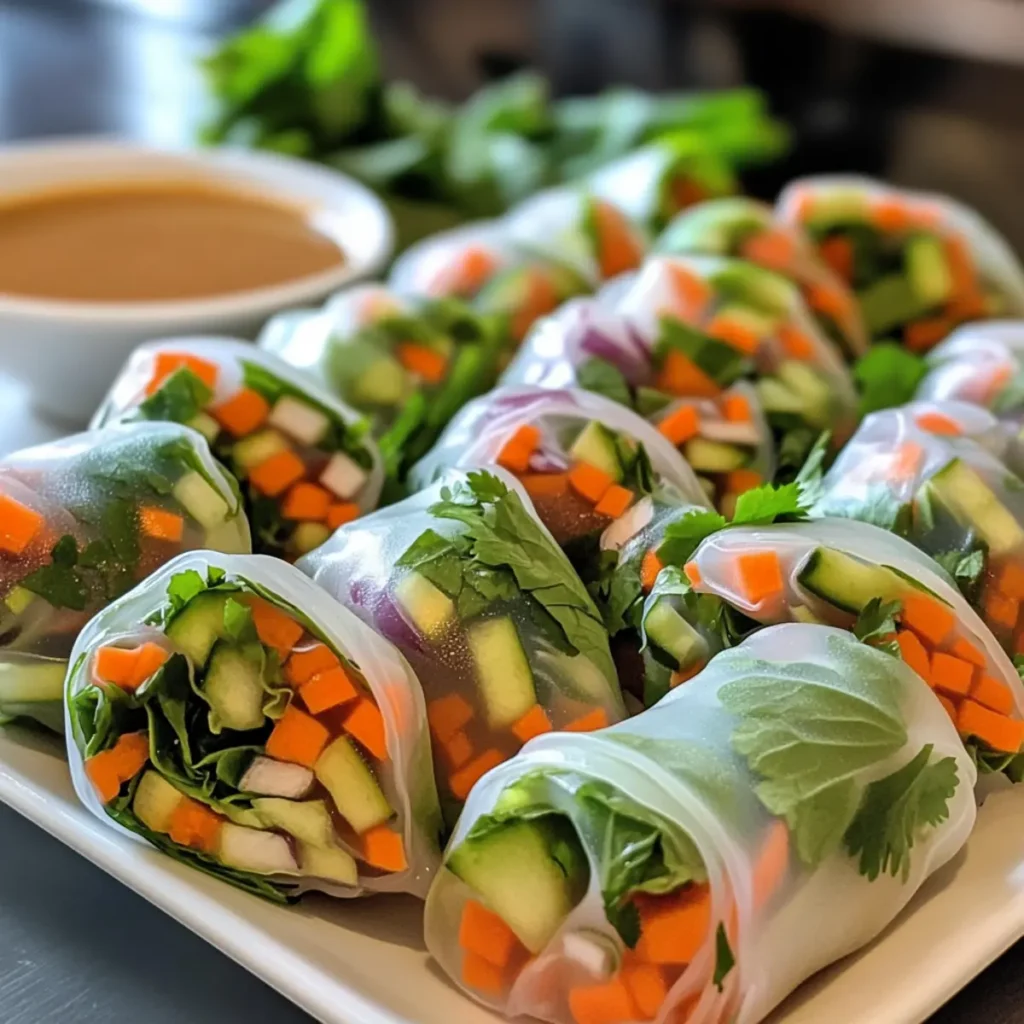
As the vibrant colors of spring appear in my garden, I’m reminded of the simple joy of rolling fresh Vietnamese spring rolls. This delicious dish is a playful celebration of crisp vegetables, fragrant herbs, and a choice between succulent shrimp or savory chicken, all enveloped in delicate rice paper. One of the best parts? They’re incredibly quick to whip up and customizable to suit your taste, making them the perfect addition to any gathering or a satisfying solo snack. Plus, with gluten-free options readily available, everyone can join in on the fun! Ready to dive into a world of fresh flavors and create your own culinary masterpiece? Let’s roll!
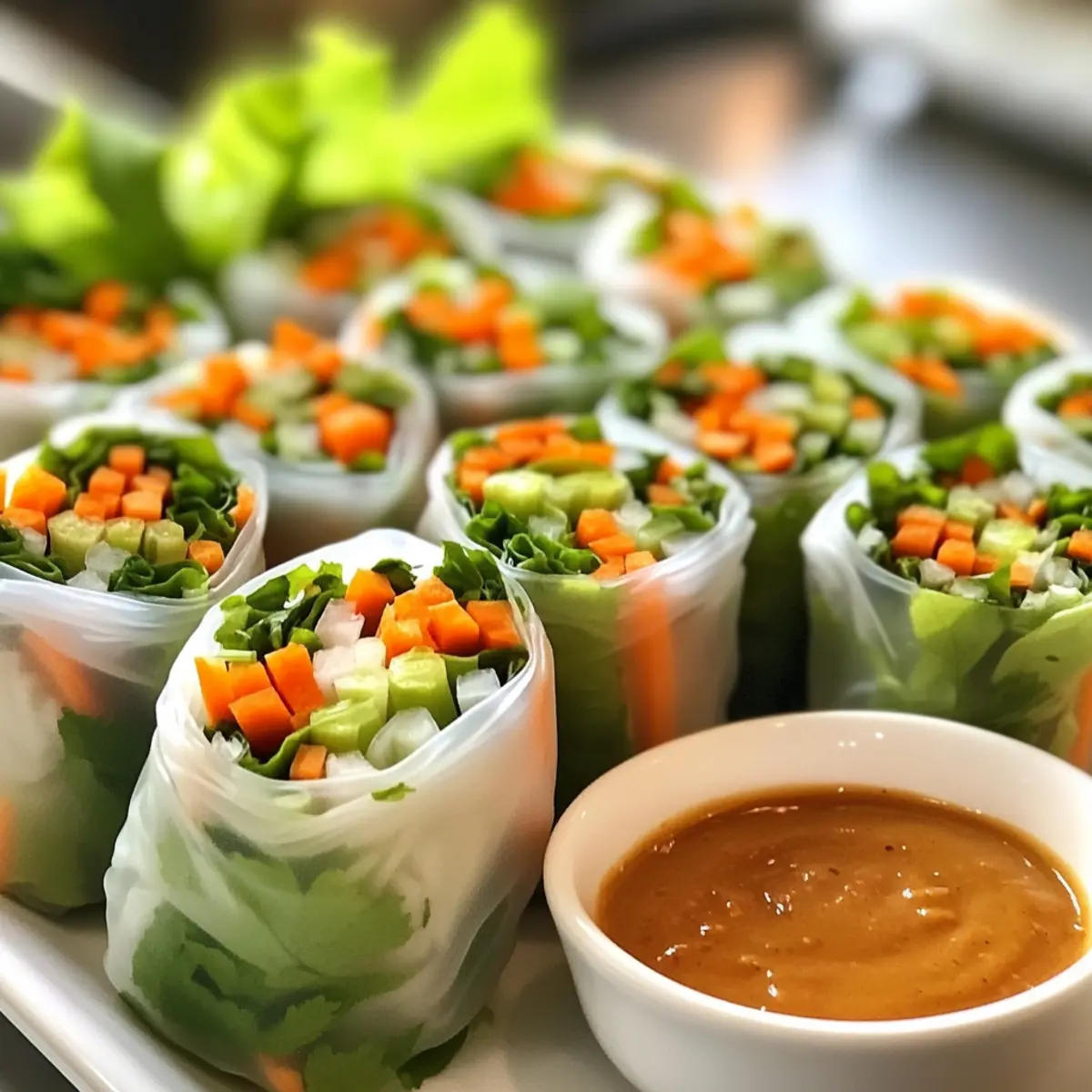
Why Are Vietnamese Spring Rolls So Special?
Freshness is the name of the game! Each bite bursts with vibrant flavors and crunchy textures that are hard to resist. Customizable options allow everyone to tailor their rolls—whether you’re a fan of shrimp, chicken, or a veggie lover, there’s a filling for you. Quick to prepare, they make any weeknight dinner a breeze and are perfect for impressing guests at gatherings. Plus, they’re gluten-free, ensuring everyone can indulge in this delightful dish. Experience the joy of making your own Homemade Cinnamon Rolls and get inspired by layering flavors with these delicious spring rolls!
Vietnamese Spring Roll Ingredients
• Get ready to roll!
For the Wrappers
- Rice Paper Wrappers – Essential for holding everything together, these delicate sheets need gentle handling to avoid tearing.
For the Fillings
- Fresh Vegetables (e.g., lettuce, carrots, cucumber) – Provide a refreshing crunch; use a variety of colors for eye-catching appeal.
- Herbs (e.g., mint, cilantro) – These aromatic additions add vibrant freshness and are a delightful flavor enhancer.
- Proteins (e.g., shrimp, chicken, tofu) – Optional for heartiness; be sure to use cooked or marinated versions for the best taste.
For the Dipping Sauce
- Peanut Hoisin Sauce or Nuoc Cham – These essential sauces bring your Vietnamese spring rolls to life; don’t skip this step for authentic flavor!
Satisfy your curiosity and wow your guests with these delectable ingredients that make each Vietnamese Spring Roll a flavor-packed delight!
Step‑by‑Step Instructions for Vietnamese Spring Rolls
Step 1: Prep Ingredients
Begin by washing your fresh vegetables—crunchy lettuce, vibrant carrots, and refreshing cucumbers. Slice them into thin strips, making them easy to wrap. Herbs like mint and cilantro should remain whole to preserve their aromatic qualities. Organize all fillings in separate bowls on your workspace, ensuring everything is within reach for a smooth assembly process when making your Vietnamese spring rolls.
Step 2: Soak Rice Paper
Fill a shallow dish with warm water and dip one rice paper wrapper in for about 5-10 seconds. You want it pliable but not overly soggy—watch as it becomes translucent. Carefully lift it out and let any excess water drip off before placing it flat on a clean surface. This step is crucial for wrapping your Vietnamese spring rolls without tearing.
Step 3: Assemble Spring Rolls
Position the soaked rice paper on your work surface and add a small amount of your chosen fillings in the center: a mix of vegetables, herbs, and optional protein like shrimp or tofu. Fold the sides over the filling and roll tightly from the bottom up, ensuring a snug fit. Each roll should look beautiful and tightly wrapped, showcasing the vibrant ingredients within your Vietnamese spring rolls.
Step 4: Store Rolls
Once your rolls are completed, place them on a plate lined with a damp cloth. This will keep your Vietnamese spring rolls moist and prevent them from sticking together. If you’re making multiple rolls, layer them gently and cover with another damp cloth, ensuring they stay fresh while you assemble the rest.
Step 5: Prepare Dipping Sauce
In a bowl, mix peanut butter with hoisin sauce until smooth for a delicious dipping sauce. Alternatively, prepare nuoc cham by combining fish sauce, lime juice, sugar, minced garlic, and a touch of chili for a spicy kick. This sauce is an essential complement to your Vietnamese spring rolls, elevating their fresh flavors and making every bite a pleasure.
Step 6: Serve Promptly
Once everything is ready, serve your Vietnamese spring rolls immediately to enjoy their fresh textures and flavors. Pair them with your prepared dipping sauce and take a moment to appreciate the beautiful presentation of your colorful rolls. Their crunchiness combined with the rich sauce creates an unforgettable culinary experience that you and your loved ones will savor.
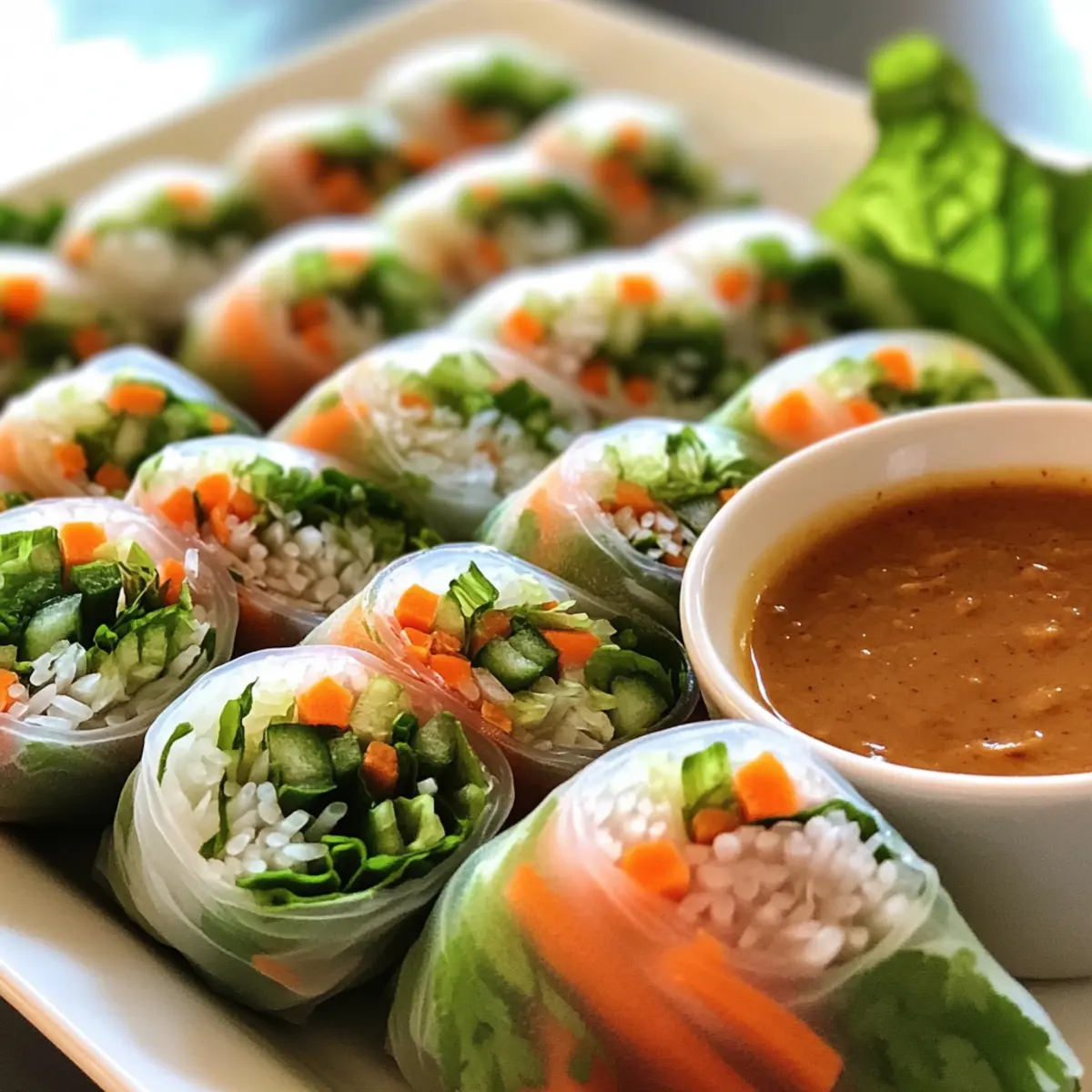
What to Serve with Fresh Vietnamese Spring Rolls?
As you prepare to delight your taste buds with vibrant spring rolls, consider these tantalizing pairings to enhance your meal experience.
- Crispy Thai Salad: A crisp salad with zesty lime dressing adds a refreshing crunch that complements the delicate flavors of the spring rolls.
- Savory Coconut Rice: Fluffy coconut rice enhances the sweet and nutty notes of the peanut hoisin dipping sauce, making every bite delightful.
- Sweet Mango Salsa: The fruity, slightly spicy mango salsa offers a different texture while balancing the savory tastes of the spring rolls masterfully.
- Homemade Asian Slaw: This colorful slaw brings tangy, crunchy elements that elevate the overall texture and flavor palette of your meal.
- Chilled Herbal Tea: Sipping on a refreshing herbal tea not only cleanses the palate but also complements the fresh ingredients with its lightness.
- Peanut Noodle Salad: This dish’s creamy sauce and chewy noodles mirror the spring rolls’ flavors, creating a harmonious blend of textures from your plate.
- Light Shrimp Cocktail: Serve alongside a classic shrimp cocktail; its cool, tangy taste pairs effortlessly with the freshness of the spring rolls.
- Mini Fruit Skewers: Simple and colorful fruit skewers bring a sweet bite post-meal, offering variety that can balance the meal wonderfully.
- Sparking Water with Lime: Keep it refreshing with sparkling water—its fizz and hint of citrus enhance the vibrant flavors without overpowering them.
- Lime Sorbet: As a light dessert, lime sorbet cleanses the palate while echoing the citrus notes from the dipping sauce, leaving everyone satisfied.
Expert Tips for Vietnamese Spring Rolls
- Prep Fillings First: Always prepare your fillings in advance to ensure a smooth assembly process for your Vietnamese spring rolls. This helps prevent rushing and mistakes.
- Avoid Over-Soaking: Dip rice paper wrappers briefly in warm water. Over-soaking can make them too fragile and result in tearing, ruining your rolls.
- Practice Rolling Technique: Don’t be discouraged if your first few spring rolls aren’t perfect. With practice, you’ll master the rolling technique, achieving beautiful and tight rolls.
- Keep Covered: If making rolls ahead of time, cover them with a damp cloth to maintain moisture and avoid drying out, ensuring your Vietnamese spring rolls stay fresh until serving.
- Experiment with Fillings: Don’t hesitate to customize beyond the standard ingredients—try adding unique items like mango or avocado for a delicious twist in your spring rolls!
How to Store and Freeze Vietnamese Spring Rolls
Fridge: Keep your freshly made Vietnamese spring rolls wrapped in a damp cloth or airtight container in the refrigerator for up to 2-3 days. This preserves their crispness and prevents drying out.
Freezer: If you want to store rolls longer, place them in a single layer in an airtight container or freezer bag for up to 2 months. Ensure they’re separated by parchment paper to avoid sticking together.
Reheating: Thaw frozen spring rolls in the fridge overnight before enjoying. For best results, serve them cold or at room temperature to retain their fresh texture.
Avoid Moisture: If prepping in advance, cover your rolls with a damp towel to keep them moist, but avoid excess moisture that can lead to sogginess.
Vietnamese Spring Roll Variations
Get ready to create delicious variations on your classic Vietnamese spring rolls that will delight your taste buds!
- Gluten-Free: Use rice paper wraps as they are naturally gluten-free—perfect for accommodating dietary needs.
- Vegetarian Delight: Swap shrimp or chicken with marinated tofu, packed with flavor and a wonderful texture.
- Spicy Kick: Add sliced jalapeños or a drizzle of sriracha inside the roll for an extra burst of flavor.
- Fruity Twist: Include slices of ripe mango or avocado for a creamy contrast to the crunchy vegetables and herbs.
- Crunchy Add-ins: Toss in some crushed peanuts or lingonberry jam for an unexpected texture and taste.
- Herb Variations: Experiment with different herbs like basil instead of cilantro for a unique aromatic flavor in every bite.
- Dipping Sauce Exploration: Try a zesty lime and chili sauce or sweet chili sauce for an exciting dip that complements the freshness of the rolls.
- Crispy Spring Rolls: For a twist, lightly pan-fry your assembled rolls in a touch of oil until crispy for a delightful crunch!
Feel free to mix and match these ideas as you create your own unique takes on these delightful rolls. If you’re in the mood for more savory snacks, why not try out these Crispy Jalapeno Popper Eggrolls next? Or explore sweet treats like Strawberry Cinnamon Rolls for a delightful dessert after your meal!
Make Ahead Options
These Vietnamese spring rolls are a fantastic choice for meal prep, saving you time on busy weeknights! You can prepare all your fillings, such as washing and slicing the vegetables (like lettuce, carrots, and cucumbers), and storing them in airtight containers up to 3 days in advance. The rice paper wrappers can be soaked just before assembly, ensuring they remain fresh and pliable. To maintain quality, cover any assembled rolls with a damp cloth and refrigerate them for up to 24 hours before serving. When you’re ready to enjoy, simply pair them with your homemade peanut hoisin dipping sauce for delightful, restaurant-quality results with minimal effort.
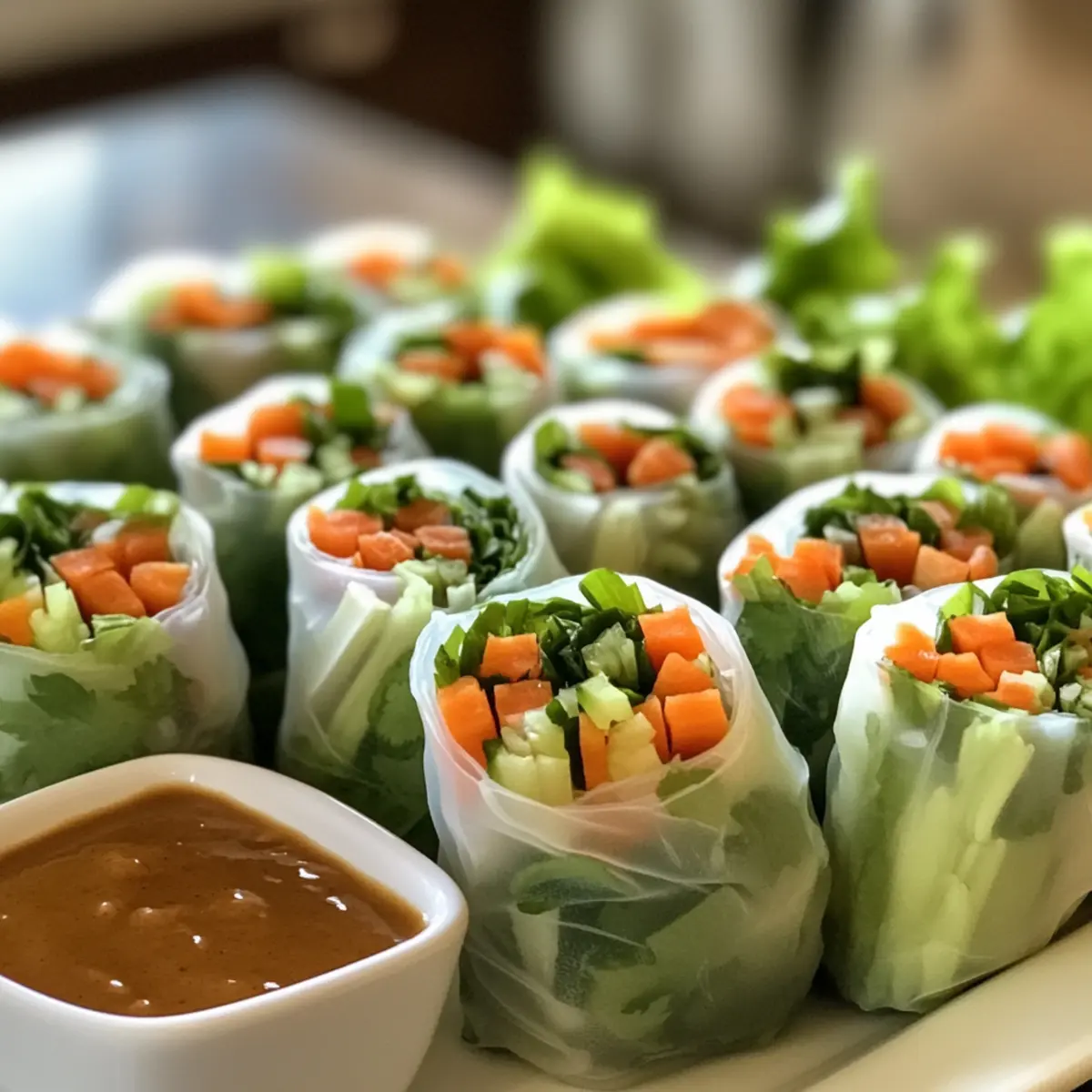
Vietnamese Spring Rolls Recipe FAQs
How do I choose ripe vegetables for my spring rolls?
Absolutely! Look for vegetables that are firm, vibrant, and free of dark spots or blemishes. For example, cucumbers should be crisp with a smooth skin, while lettuce should appear fresh and green without wilting. Carrots should be bright orange and hard to the touch. The more colorful your selections, the more visually appealing and flavorful your Vietnamese spring rolls will be!
What is the best way to store my Vietnamese spring rolls?
Very good question! To keep your spring rolls fresh, wrap them in a damp cloth and place them in an airtight container in the refrigerator. They will stay good for up to 2-3 days. If you notice any drying out, you can lightly re-dampen the cloth. This will help maintain their texture and taste, so you can enjoy them later!
Advertisement
Can I freeze Vietnamese spring rolls, and if so, how?
Yes, you can! To freeze your rolls, first ensure they are fully assembled and cooled down. Place them in a single layer in an airtight freezer bag or container, with parchment paper in between each roll to prevent sticking. They can be stored this way for up to 2 months. When you’re ready to eat them, thaw them in the fridge overnight and enjoy while they’re chilled for the best texture.
What should I do if my rice paper keeps tearing?
Ah, a common issue! If your rice paper is tearing, it may be because it’s either soaked for too long or not soaked enough. Ideally, soak it just until pliable—around 5-10 seconds. If it’s too fragile, try reducing the soaking time or dipping only half the wrapper first and working your way across. Don’t be discouraged; practice makes perfect when it comes to your rolling technique, and soon you’ll be a pro!
Are these spring rolls pet-friendly or allergy-conscious?
Generally, Vietnamese spring rolls can be safe for pets if made without harmful ingredients like garlic or onion, so keep it simple with vegetables and rice paper. For allergies, always opt for gluten-free rice paper and check sauces for allergens. If you have nut allergies, steer clear of peanut sauce and consider a homemade soy or sesame alternative instead! Remember, it’s best to consult with your doctor about dietary restrictions.
How long will the dipping sauce stay fresh?
The dipping sauce will vary based on the type. If you make the peanut hoisin sauce, it can be stored in an airtight container in the refrigerator for about a week. For nuoc cham, try to use it within 3-5 days for the best taste. Just give it a stir before using, and you’ll be all set for dipping those delightful Vietnamese spring rolls!
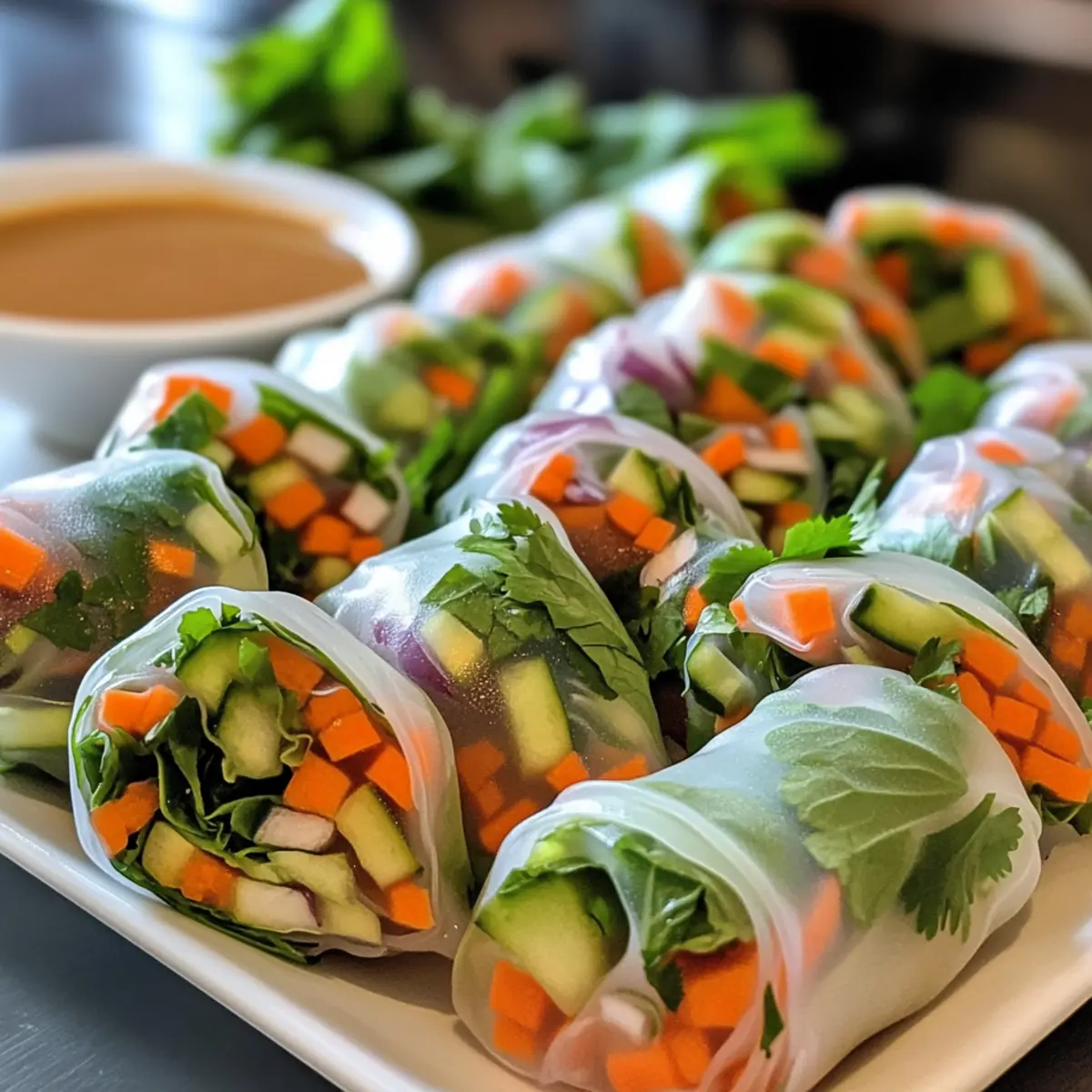
Fresh Vietnamese Spring Rolls: A Crunchy Flavor Adventure
Ingredients
Equipment
Method
- Prep ingredients: Wash and slice vegetables into thin strips and keep herbs whole. Organize all fillings in separate bowls.
- Soak rice paper: Dip one rice paper wrapper in warm water for about 5-10 seconds until pliable but not soggy. Lift and let excess water drip off.
- Assemble spring rolls: Place soaked rice paper on a surface, add fillings in the center, fold sides over, and roll tightly from the bottom up.
- Store rolls: Place completed rolls on a damp cloth-lined plate to keep moist. Layer gently with another damp cloth if making multiple rolls.
- Prepare dipping sauce: Mix peanut butter with hoisin sauce or prepare nuoc cham with fish sauce, lime juice, sugar, minced garlic, and chili.
- Serve promptly: Serve Vietnamese spring rolls immediately with the dipping sauce for best texture and flavors.