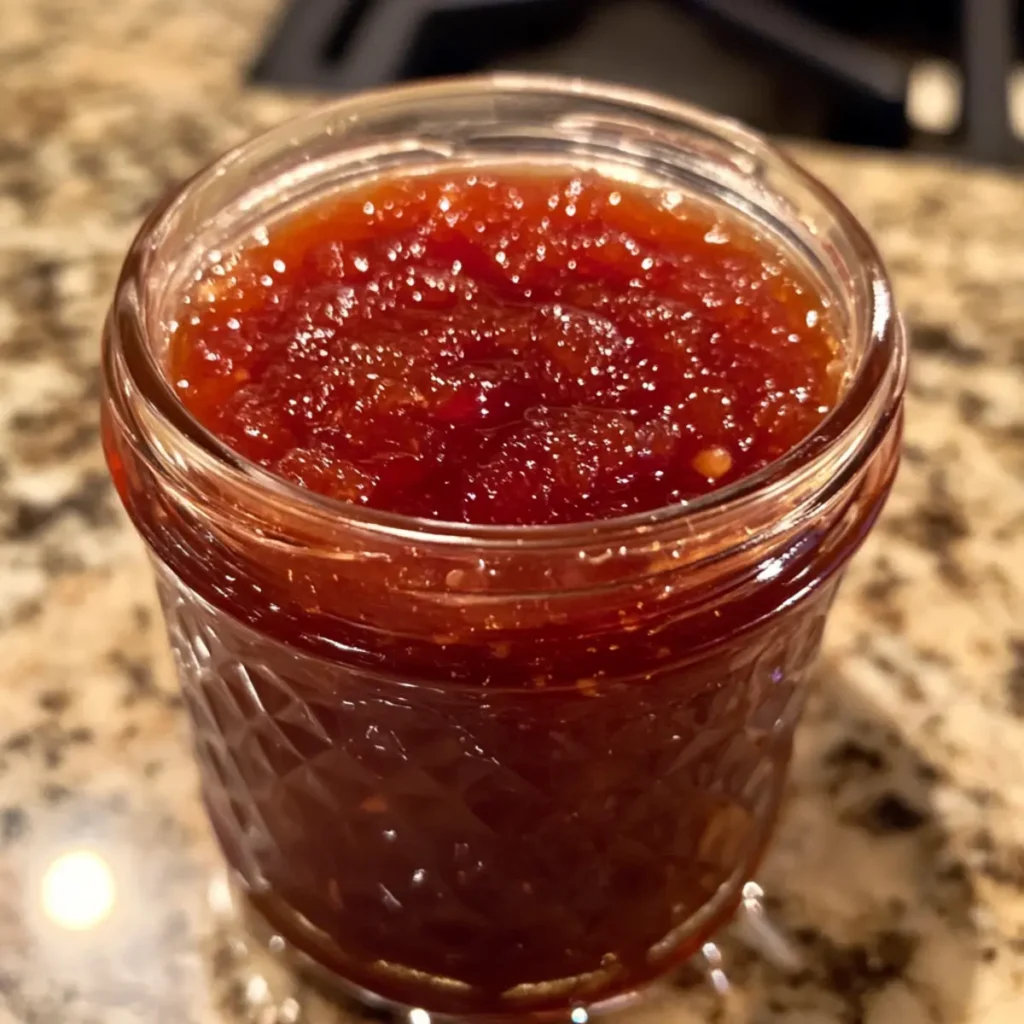
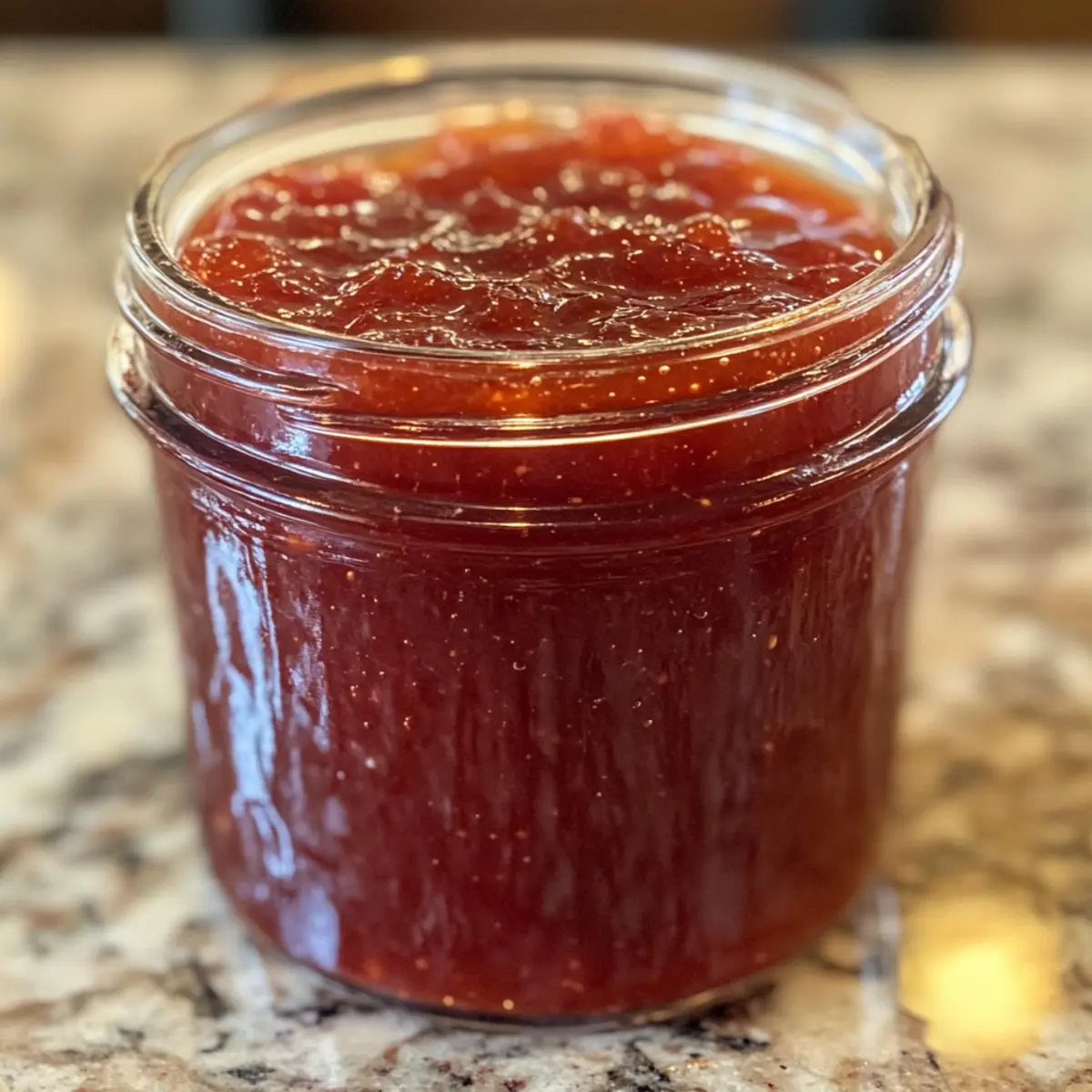
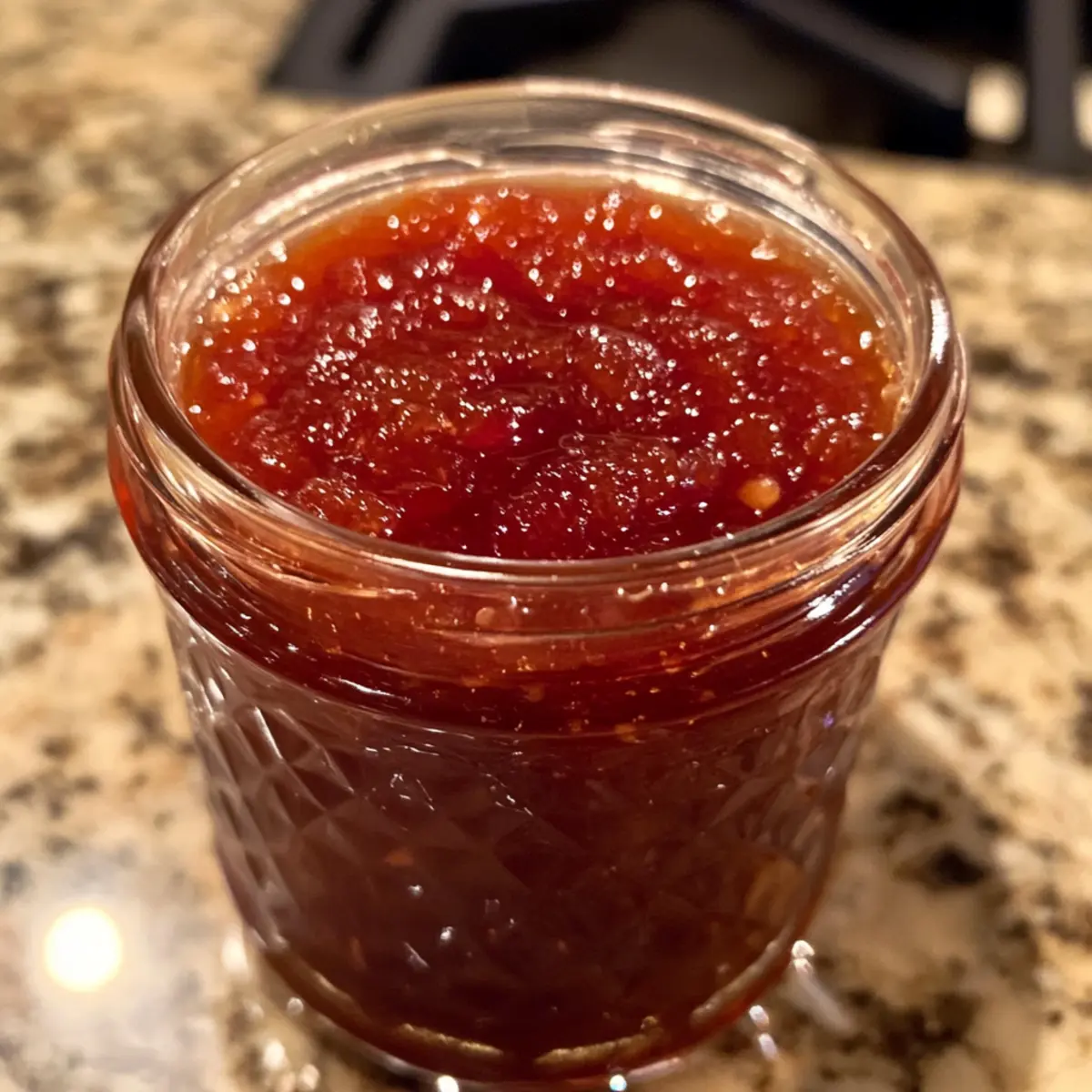
The kitchen was filled with a sweet, citrusy aroma that instantly transported me to sun-soaked orchards during a perfect spring day. That’s the magic of making homemade Blood Orange Marmalade! This vibrant preserve, with its rich crimson hue, is not only a treat for the eyes but offers a delightful balance of sweetness and tang. What I love about this recipe is that it embraces the natural essence of blood oranges, steering clear of powdered pectin and relying on a traditional, slow-cooking process to achieve that perfectly gelled consistency. Plus, it’s a fantastic way to brighten up your breakfast table or use as a unique glaze for your favorite meats. Are you ready to dive in and transform your mornings with this beautiful jar of goodness?
Why will you adore this marmalade?
Unique Flavor Profile: This marmalade strikes a perfect balance between sweet and tart, offering a deliciously complex taste that’s far superior to store-bought versions.
No Pectin Required: Enjoy the traditional method allows for the natural flavors of blood oranges to shine through without relying on powdered pectin, making it a truly authentic treat.
Creative Variations: Feel free to experiment! Whether you add fresh ginger for a spicy twist or mix in other fruits, this recipe is endlessly customizable.
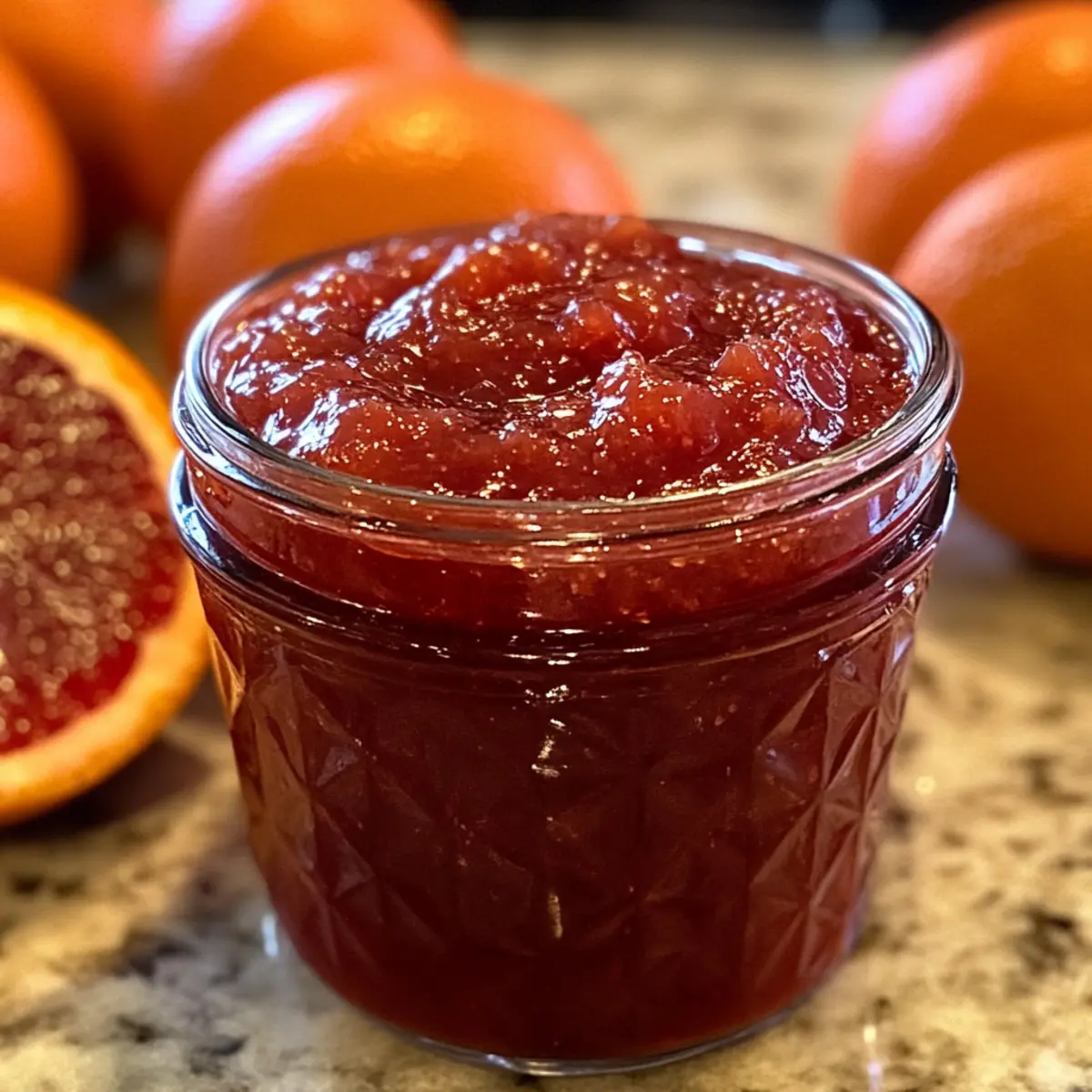
Eye-Catching Color: The vibrant crimson hue not only enhances your breakfast table but also makes this marmalade a stunning gift in a jar!
Healthy & Homemade: With simple ingredients and no preservatives, you can feel good about what you’re spreading on your toast. Check out our tips for storing homemade preserves to keep your creations fresh and flavorful!
Blood Orange Marmalade Ingredients
• Fresh and vibrant, this list will guide you in creating your own homemade blood orange marmalade.
For the Marmalade
- Blood Oranges – 12 blood oranges (about 4.5 to 5 lbs) offer a high pectin content that’s crucial for achieving the ideal gel consistency.
- Granulated Sugar – 8 cups sweeten the mix and help preserve the marmalade; feel free to adjust to your taste.
- Lemon Juice – ¼ cup from fresh lemons enhances flavor and provides the acidity needed for balance—always choose fresh for the best results.
For Variations
- Fresh Ginger – Add 2 teaspoons during the cooking process for a spicy twist—it complements the blood orange flavor beautifully.
- Other Fruits – Substitute some blood orange pulp with fruits like apricots or strawberries to create unique flavor profiles.
- Edible Flowers – Consider incorporating lavender or hibiscus to add a delightful floral note to this blood orange marmalade.
Step‑by‑Step Instructions for Blood Orange Marmalade
Step 1: Prepare the Oranges
Begin by thoroughly washing the blood oranges to remove any surface residues. Cut six of the oranges into quarters and then into thin slices to maximize their juice retention. Place the sliced oranges and any collected juice in a large saucepan, covering them with water. Bring the mixture to a boil over medium heat, then remove it from heat and let it soak, covered, for at least 8 hours or overnight.
Step 2: Strain and Juice
The next day, strain the orange slices from the soaking liquid using a slotted spoon or fine strainer, discarding any solids. Squeeze the juice from the remaining six blood oranges, discarding the rinds and pulp, and combine this fresh juice with the soaking liquid until you have a total of 4 cups. This liquid will be the base for your luscious blood orange marmalade.
Step 3: Combine Ingredients
In a Dutch oven, add the strained orange slices along with the combined juice from the soaking and freshly squeezed oranges. Stir in 8 cups of granulated sugar and ¼ cup of fresh lemon juice. Mix well to ensure the sugar dissolves evenly, which will sweeten and enhance the overall flavor of the blood orange marmalade.
Step 4: Cook the Marmalade
Bring the mixture to a vigorous boil over medium-high heat, stirring frequently to dissolve the sugar completely and prevent scorching. Once boiling, reduce the heat and simmer the mixture uncovered for about 20 minutes, stirring occasionally, until it reaches the gel stage. Use a candy thermometer to check that it reaches 220°F or test using the cold plate method for the desired consistency.
Step 5: Prepare for Canning
While the marmalade simmers, prepare your canning jars by ensuring they are clean and sterilized. Once your blood orange marmalade has reached the right temperature, ladle it into the hot jars, leaving a ¼ inch of headspace at the top to allow for sealing expansion. Proper filling will ensure your marmalade is preserved beautifully.
Step 6: Process the Jars
Seal each filled jar with its lid tightly. Process the jars in a boiling water bath for 10 minutes. If you’re at elevations above 6,000 feet, extend the processing time to 15 minutes to ensure proper sealing and preservation of your delicious blood orange marmalade.
Step 7: Cool and Check Seals
After processing, let the jars cool undisturbed for 24 hours. This resting period allows the seals to form properly. After cooling, check that each lid has sealed correctly; it should not pop back when pressed. Properly sealed jars will keep your blood orange marmalade fresh and flavorful for up to 18 months.
Make Ahead Options
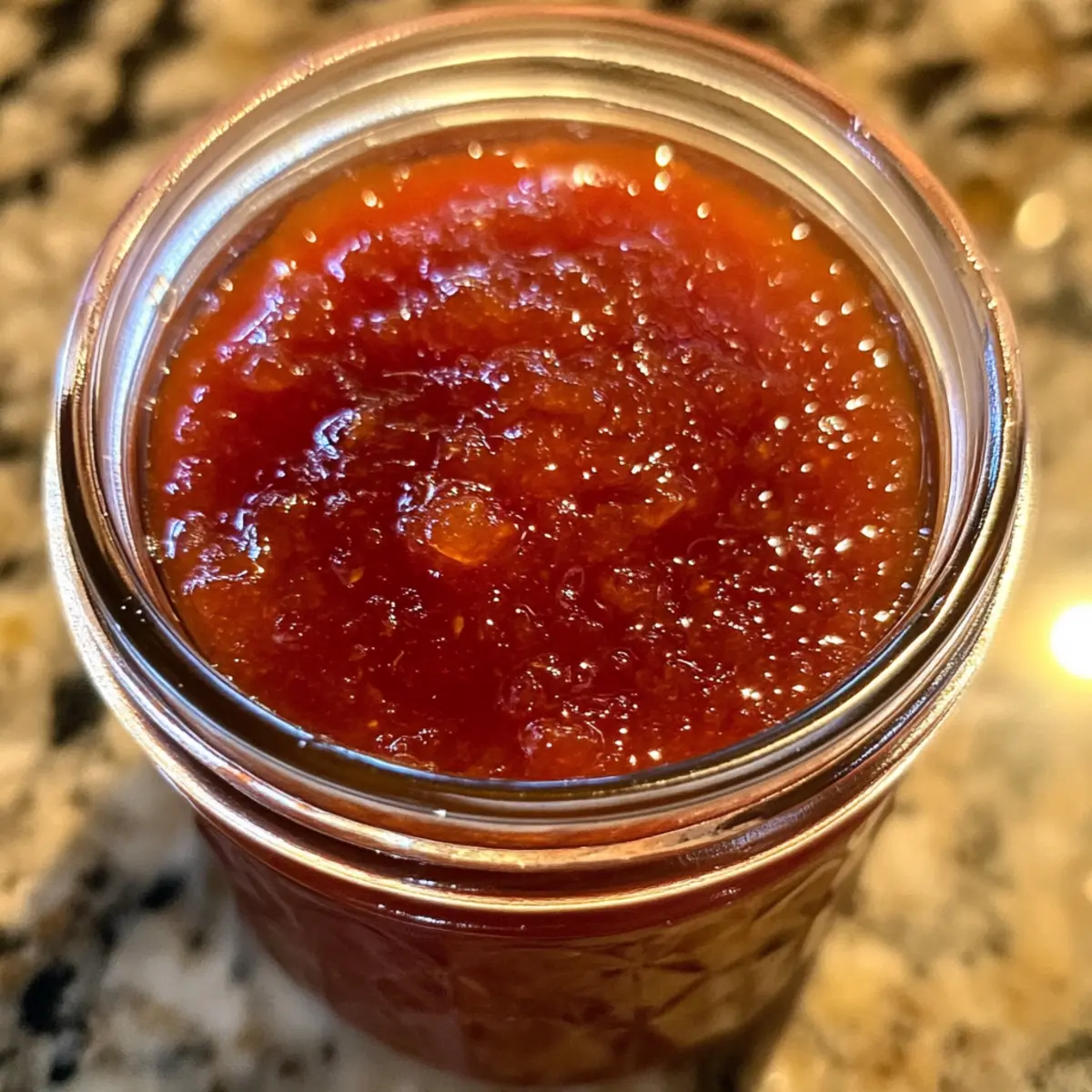
These Traditional Blood Orange Marmalade preparations are perfect for busy home cooks looking to save time in the kitchen! You can begin the process by soaking the orange slices in water for up to 24 hours; this step is crucial to extract maximum flavor. Additionally, after boiling, you can store the prepared marmalade in sterilized jars for up to 18 months in a cool, dark place. To maintain quality, ensure your jars are airtight and avoid overcooking to preserve the vibrant color and fresh taste. When you’re ready to enjoy, simply serve directly from the jar, and you’ll delight in that homemade flavor with minimal effort!
Blood Orange Marmalade Variations
Feel free to get creative with your blood orange marmalade and customize it to match your taste buds!
-
Fresh Ginger: Add 2 teaspoons of grated fresh ginger during the sugar addition for a spicy, warm undertone that beautifully complements the citrus.
-
Berry Blend: Replace part of the blood orange pulp with fresh strawberries or blueberries for a sweet twist that offers bright berry flavors with each bite.
-
Stone Fruit Fusion: Mix in diced apricots or peaches for a delightful stone fruit addition, creating a rich, complex flavor profile perfect for summer spreads.
-
Edible Flower Infusion: Stir in a handful of dried lavender or hibiscus petals for a charming floral touch that elevates the marmalade’s aesthetic and taste.
-
Citrus Medley: Combine blood oranges with lemons or grapefruits to create a zesty marmalade that dances on your palate, perfect for brightening your breakfasts.
-
Herbed Delight: Stir in a teaspoon of finely chopped fresh rosemary or thyme for an aromatic freshness that pairs beautifully with toast or savory dishes.
-
Honey-Sweetened: Swap out some granulated sugar with honey for a unique sweetness; just remember that honey will also add its own distinct flavor to the mix.
-
Chili Heat: For those who love a kick, add a pinch of crushed red pepper flakes to your boiling mixture to introduce a delightful balance of heat to your sweet preserve.
Now, imagine savoring this marmalade on warm, freshly toasted bread or drizzling it over pancakes; it’s truly a delicious labor of love. Don’t forget to explore our tips for storing homemade preserves to keep your creations in pristine condition!
How to Store and Freeze Blood Orange Marmalade
Cool Jars: Let sealed jars cool undisturbed for 24 hours to ensure a proper seal, then check each lid.
Room Temperature: Store sealed jars in a cool, dry place for up to 18 months. Avoid direct sunlight to maintain quality.
Refrigerator: Once opened, refrigerate your blood orange marmalade and use it within 2 to 3 weeks for the best taste.
Freezer: For longer storage, freeze your marmalade in airtight containers or freezer bags for up to 1 year. Thaw in the fridge before using.
What to Serve with Traditional Blood Orange Marmalade
Elevate your meals with delightful accompaniments that perfectly balance the sweet and tangy notes of your homemade marmalade.
- Crispy Toast: The crusty texture of freshly toasted bread soaks up the luscious marmalade, making every bite a warm embrace.
- Flaky Croissants: Buttery, flaky croissants add a touch of elegance, creating a delightful contrast to the bold flavors of the marmalade.
- Creamy Goat Cheese: A spread of goat cheese brings a tangy creaminess that beautifully complements the citrusy sweetness of the marmalade.
- Buttermilk Pancakes: Drizzling warm pancakes with blood orange marmalade transforms breakfast into a gourmet experience; the syrupy sweetness is simply divine.
- Herbed Roasted Chicken: Use the marmalade as a glaze for roasted chicken, infusing it with a bright, zesty flavor that elevates your main dish.
- Chocolate Desserts: Pairing marmalade with rich chocolate desserts creates a sophisticated contrast—think chocolate tart topped with a spoonful of marmalade.
- Sparkling Wine: A glass of sparkling wine enhances the meal, its fizzy nature contrasting the thick marmalade beautifully.
Expert Tips for Blood Orange Marmalade
-
Use Fresh Ingredients: Fresh blood oranges result in brighter flavors and better texture. Avoid using old or overripe fruit for the best results.
-
Check Pectin Levels: Not all blood oranges are equal! Test a small batch first to ensure the natural pectin content is sufficient for the gel stage.
-
Keep It Clean: Sterilize jars and tools before canning to prevent spoilage. A clean kitchen is key to preserving the quality of your homemade preserves.
-
Monitor Cooking Time: Avoid overcooking to maintain that vibrant color and fresh flavor of blood orange marmalade. Keep an eye on the mixture and stir regularly.
-
Adjust Sweetness to Taste: Feel free to experiment with sugar levels; if you prefer a less sweet marmalade, reduce the granulated sugar gradually.
-
Experiment with Variations: Don’t be afraid to try adding different fruits or spices! A touch of fresh ginger or other fruits can create delightful flavor combinations in your blood orange marmalade.
Blood Orange Marmalade Recipe FAQs
What is the best way to select ripe blood oranges?
Absolutely! Look for blood oranges that are firm and heavy for their size, with a bright, deep crimson hue. Avoid any with soft spots or visible blemishes, as these could indicate overripeness. A good rule of thumb is to choose oranges that feel slightly heavy, indicating they have a higher juice content.
Advertisement
How should I store my homemade blood orange marmalade?
Store sealed jars in a cool, dark place—like a pantry or cupboard—away from direct sunlight for up to 18 months. Once opened, transfer the jar to the refrigerator. It’s best to use it within 2 to 3 weeks to enjoy the marmalade at its freshest and most flavorful.
Can I freeze blood orange marmalade?
Yes, you can! For extended storage, pour the cooled marmalade into airtight containers or freezer-safe bags. Be sure to leave some headspace, as the marmalade will expand when frozen. It can last up to 1 year in the freezer. To use, simply thaw it overnight in the refrigerator before spreading on your morning toast.
What should I do if my marmalade doesn’t gel properly?
If you find your marmalade hasn’t set, don’t worry! This can happen sometimes. You can reheat the marmalade and add an additional ½ to 1 cup of granulated sugar, and simmer it for another 10-15 minutes while stirring often. To check the consistency, use the cold plate test: drop a spoonful on a chilled plate, let it sit for a minute, then run your finger through it. If it holds its shape, you’re good to go!
Are there any dietary considerations for blood orange marmalade?
Yes! For those with citrus allergies, blood orange marmalade is definitely not suitable due to its primary ingredient. Additionally, always check for any other allergies among your guests if you decide to incorporate added ingredients, like ginger or other fruits. It’s always better to be safe than sorry when serving homemade goodies.
Can I use this recipe to make marmalade with other fruits?
Certainly! For delightful variations, feel free to substitute part of the blood orange pulp with fruits like peaches, strawberries, or even apricots. The high pectin content in blood oranges helps maintain the gel consistency, but you can still experiment with other fruits while keeping this balance in mind!
Homemade Blood Orange Marmalade with Sweet Citrus Twist
Ingredients
Equipment
Method
- Prepare the Oranges: Wash blood oranges, cut six into quarters and thin slices, place in a saucepan, cover with water, boil, then soak for at least 8 hours.
- Strain and Juice: Strain orange slices, squeeze juice from remaining six blood oranges and mix with soaking liquid to have 4 cups.
- Combine Ingredients: In a Dutch oven, add orange slices and combined juice, add sugar and lemon juice, mix well.
- Cook the Marmalade: Bring to boil, reduce heat, and simmer for about 20 minutes until gel stage is reached.
- Prepare for Canning: Sterilize jars, ladle in marmalade leaving 1/4 inch headspace.
- Process the Jars: Seal jars and process in boiling water bath for 10 minutes (15 minutes above 6,000 feet).
- Cool and Check Seals: Let jars cool for 24 hours, check that lids are sealed.